
Orange economy in India 2026: How creativity is becoming the country's next growth engine
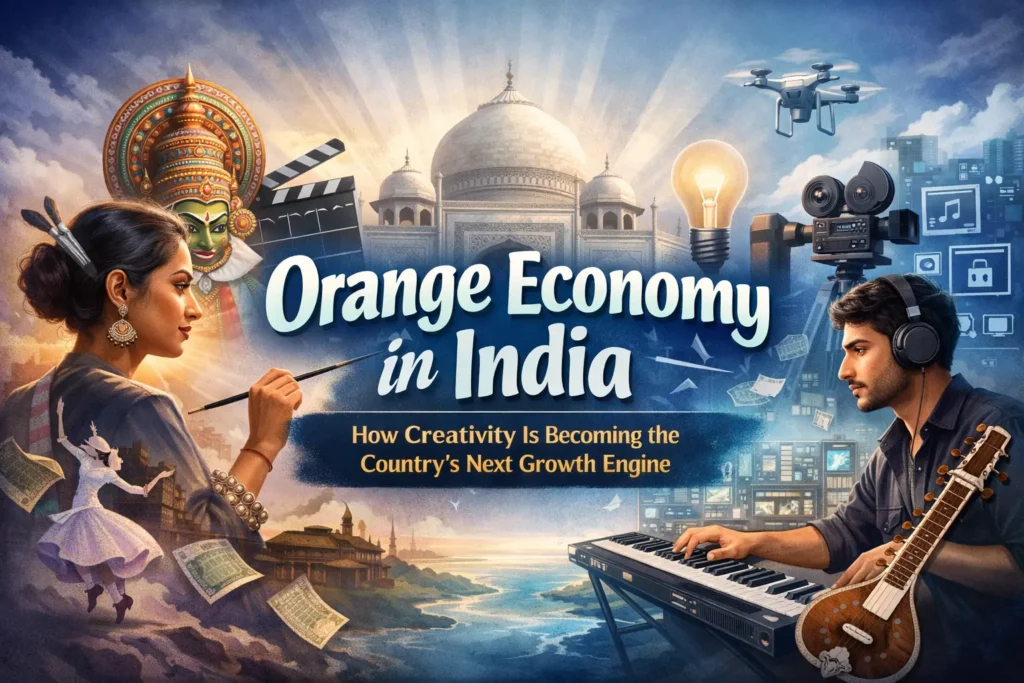
The orange economy in India is no longer just a buzzword used in policy reports or creative conferences. It has quietly become one of the most exciting and fast-evolving parts of the Indian economy. From designers, musicians, filmmakers, and writers to content creators, game developers, and digital artists, creativity is turning into serious economic value. What was once seen as “passion work” is now a powerful contributor to jobs, entrepreneurship, exports, and cultural influence.
India, with its deep cultural roots and massive youth population, is uniquely positioned to benefit from the orange economy. Creativity here is not new—it has existed for centuries in the form of art, craft, music, dance, storytelling, and cinema. What is new is the way technology, platforms, and global demand have transformed creativity into scalable business opportunities. The orange economy in India is proving that ideas, culture, and imagination can be just as valuable as factories and infrastructure.
Understanding the Concept of Orange Economy in India
To understand the orange economy in India, it is important to first know what the orange economy actually means. The term refers to economic activities that are based on creativity, culture, knowledge, and intellectual property. This includes industries like media, entertainment, advertising, fashion, design, gaming, animation, publishing, architecture, crafts, and digital content creation.
In the Indian context, the orange economy blends traditional culture with modern innovation. A classical dancer using Instagram, a handicraft seller running a global Etsy store, or a YouTuber building a personal brand are all part of this economy. Unlike traditional industries that rely heavily on raw materials, the orange economy runs on human talent, originality, and storytelling.
What makes India special is that creativity is deeply embedded in everyday life. Festivals, languages, films, music, and regional art forms give India a massive creative base. When this cultural wealth meets digital tools and market access, it creates economic value at scale.
Why the Orange Economy in India Is Growing So Fast
The rapid growth of the orange economy in India did not happen by accident. Several factors have come together to create the perfect environment for creative industries to flourish. One of the biggest drivers is digital access. Affordable smartphones and low-cost internet have allowed millions of Indians to create, share, and monetize content.
Another major reason is the rise of platforms. YouTube, Instagram, Spotify, OTT platforms, gaming apps, and creator marketplaces have removed traditional entry barriers. Earlier, a singer needed a big music label or a filmmaker needed a studio backing. Today, talent can reach audiences directly. This democratization of creativity has unlocked income opportunities for people across cities, towns, and even villages.
Additionally, changing consumer behavior has played a huge role. Indian consumers now spend more on experiences, entertainment, fashion, and digital content. Brands are also investing heavily in creative storytelling, influencer marketing, and visual design, further strengthening the orange economy in India.
Key Sectors Driving the Orange Economy in India
The orange economy in India is not limited to one or two industries. It is a broad ecosystem supported by multiple creative sectors working together.
Media and entertainment remain at the core. Indian cinema, OTT content, music streaming, and regional content are gaining both domestic and global audiences. Fashion and design are also major contributors, with Indian designers blending tradition with contemporary aesthetics and reaching international markets.
Another fast-growing area is digital content creation. Bloggers, podcasters, gamers, educators, and influencers are building full-time careers. Animation, gaming, and VFX are also expanding rapidly, supported by global outsourcing and rising domestic demand. Traditional crafts and handloom sectors are finding new life through e-commerce and social media, allowing artisans to sell directly without middlemen.
Together, these sectors form a vibrant creative economy that supports millions of livelihoods while shaping India’s cultural identity.
Role of Government and Policy in Supporting the Orange Economy in India
Government initiatives have started playing an important role in strengthening the orange economy in India. Programs like Startup India, Digital India, and Skill India indirectly support creative professionals by improving digital infrastructure, funding access, and skill development.
There is also growing recognition of intellectual property rights. Copyrights, trademarks, and design protections are crucial for creative workers, as their ideas are their biggest assets. Improved IP awareness helps creators protect and monetize their work more effectively.
Institutions, cultural missions, and export councils are promoting Indian art, cinema, and crafts globally. While there is still room for improvement, policy-level attention has begun shifting toward recognizing creativity as a serious economic contributor rather than a side activity.
Employment and Entrepreneurship Opportunities in the Orange Economy in India
One of the most powerful aspects of the orange economy in India is its ability to generate employment. Unlike capital-heavy industries, creative sectors are labor-intensive and inclusive. A single creative project often supports multiple roles—writers, designers, editors, marketers, technicians, and freelancers.
Entrepreneurship is another major benefit. Many creative professionals operate as solopreneurs or small business owners. They build personal brands, launch studios, create digital products, or start niche agencies. This flexibility is especially attractive to young Indians who want independence and purpose-driven careers.
The orange economy also opens doors for women, rural talent, and marginalized communities by reducing geographic and social barriers. All that is needed is skill, creativity, and access to digital tools.
Challenges Faced by the Orange Economy in India
Despite its potential, the orange economy in India faces several challenges. Income instability is one of the biggest concerns. Many creative professionals lack predictable earnings, social security, or long-term financial planning.
Another issue is lack of formal recognition. Creative careers are still not taken seriously in many households and institutions. Access to funding remains limited, especially for early-stage creators and artists who do not fit traditional business models.
Skill gaps also exist. While talent is abundant, business knowledge, pricing skills, contract awareness, and digital marketing capabilities are often missing. Addressing these challenges is essential for making the orange economy sustainable and scalable.
The Future of Orange Economy in India
The future of the orange economy in India looks extremely promising. As technology continues to evolve, new creative formats and revenue models will emerge. AI tools, virtual reality, gaming, and immersive experiences are expected to create entirely new creative roles.
India’s growing global cultural influence will further boost exports of creative content. From yoga and wellness to cinema and digital storytelling, Indian creativity has worldwide appeal. With the right mix of policy support, education, and infrastructure, the orange economy could become a major pillar of India’s economic growth.
More importantly, it offers a future where people can earn a living by doing meaningful, expressive, and culturally rich work.
Conclusion: Why the Orange Economy in India Truly Matters
The orange economy in India represents more than just numbers and industries. It reflects a shift in how value is created in the modern economy. Creativity, ideas, and culture are no longer secondary—they are central to growth, employment, and global identity.
As India moves forward, embracing the orange economy means investing in people, imagination, and innovation. It means recognizing that stories, art, design, and digital expression can shape both economic success and social progress. In many ways, the orange economy is not just India’s opportunity—it is India’s natural strength.
Written By SAN Marketing